Help’s Opposite in a Nutshell
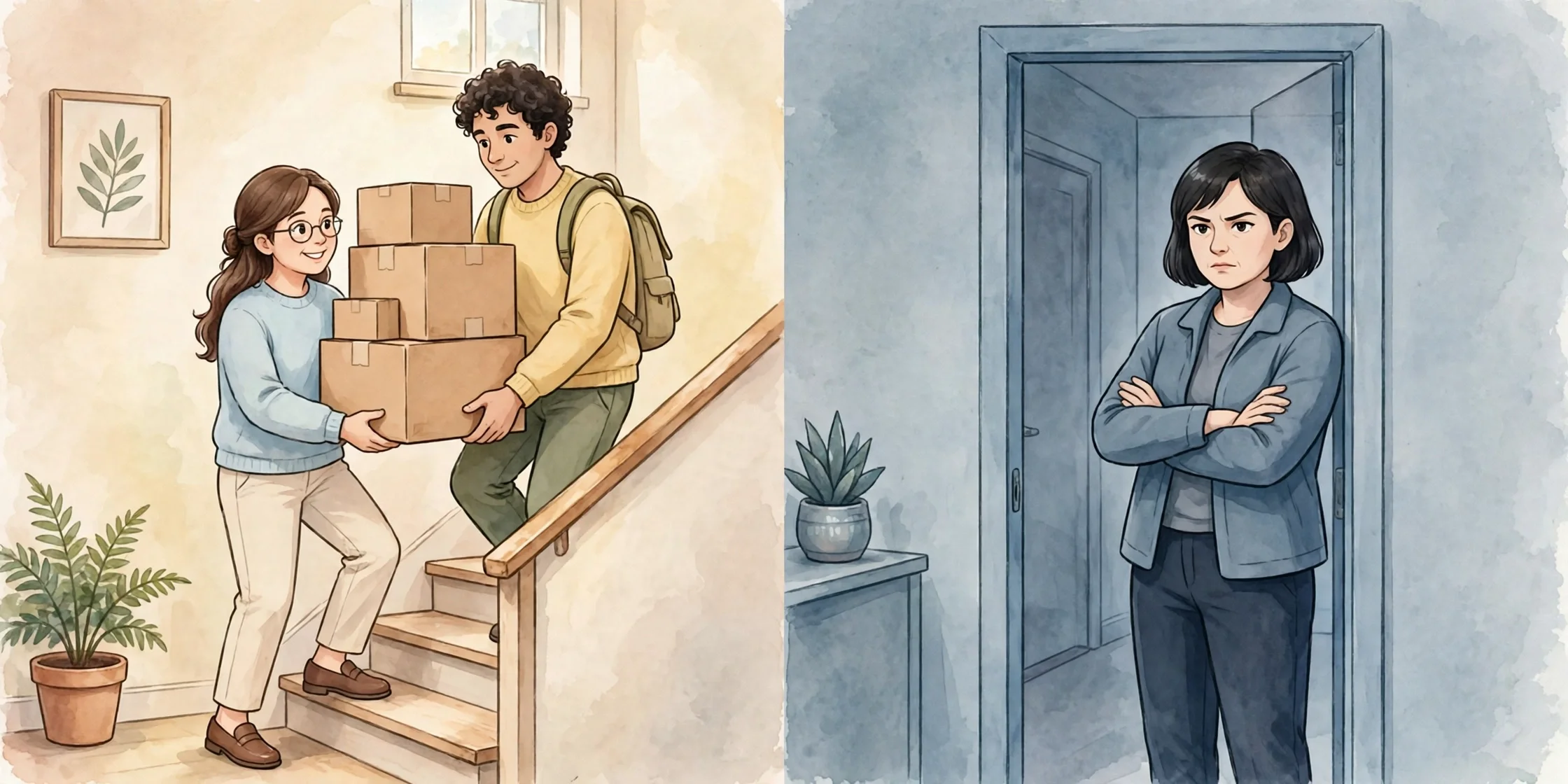
What is the opposite of help? The opposite of help is hinder or harm to work against someone instead of supporting them. Words like obstruct, impede, and hamper mark the absence of assistance, where help marks giving a hand, support, or aid in every case.
For the full dictionary entry, see help on Merriam-Webster.
What Help Really Means
The most common antonym of help is hinder. Help means to give assistance or support to someone, to provide something useful or necessary so they can reach an end. Its opposite is a person or a thing that works against you. Hinder is the direct opposite, the broadest word for getting in the way, while obstruct is the everyday one, blocking a road, a plan, or a person’s progress. Impede fits slow, steady blocking, a heavy load that drags a journey down. Harm is the opposite of help when help means doing good: harm does damage instead. Help covers people, tasks, and situations, so its opposites split across all of them.
Help Next to Its Opposites
| Word | Meaning | Example |
|---|---|---|
| Help | To give assistance or support | She helped her neighbour carry the boxes. |
| Hinder | To get in the way, to hold back | The rain hindered our journey home. |
| Obstruct | To block the way or progress | The fallen tree obstructed the road. |
| Impede | To slow down or delay | The heavy bags impeded her walk. |
| Harm | To do damage or cause injury | Smoking can harm your health. |
Where the Word Help Comes From
Help is an old English word at heart. It comes from Middle English help, from Old English helpan, akin to Old High German helfan, to help. English has used it since before the 12th century, as both a verb and a noun. At first it meant what it means now: to give aid, to lend a hand. The word has barely changed in a thousand years, which is rare in English. It stayed plain and useful, the word people reach for when someone needs a hand. Its noun form is just as old: “help” as a thing, the aid itself, as in “with a little help” or “help is on the way.” So help began as a simple act of support, and it never left that meaning. The picture inside the word is a hand reaching out, the oldest image of kindness in the language.
Inside This Help Guide
After reading this guide, you will know:
- The main antonym of help
- Ten useful opposites and when each one fits
- How help differs from hinder
- How to use these words correctly in sentences
Ten Opposites of Help
1. Hinder (verb)
Meaning: To get in the way of something or someone, to hold back progress or success.
Examples:
- The rain hindered our journey home.
- His fear of heights hindered his climb.
2. Obstruct (verb)
Meaning: To block a road, a path, or a person’s progress; to stand in the way.
Examples:
- The fallen tree obstructed the road.
- He obstructed the doorway and would not move.
3. Impede (verb)
Meaning: To slow down or delay something, to make progress harder.
Examples:
- The heavy bags impeded her walk to the station.
- Traffic impeded the delivery all morning.
4. Hamper (verb)
Meaning: To hold back or get in the way of an activity, often by adding difficulty.
Examples:
- The broken printer hampered our work all day.
- Her injured leg hampered her training.
5. Harm (verb)
Meaning: To do damage or cause injury to a person or a thing.
Examples:
- Smoking can harm your health.
- The frost harmed the young plants.
6. Hurt (verb)
Meaning: To cause pain, injury, or damage to someone or something.
Examples:
- The fall hurt his knee badly.
- Her careless words hurt his feelings.
7. Damage (verb)
Meaning: To break or spoil something, to make it less good or less useful.
Examples:
- The storm damaged the roof of the house.
- The scandal damaged his good name.
8. Abandon (verb)
Meaning: To leave someone or something behind, to give up on them when they need help.
Examples:
- He abandoned his friend in the middle of the desert.
- The crew abandoned the sinking ship.
9. Ignore (verb)
Meaning: To pay no attention to someone, to refuse to notice their need for help.
Examples:
- She ignored his cry for help.
- The manager ignored the workers’ complaints.
10. Oppose (verb)
Meaning: To stand against someone or something, to work against their plan or their good.
Examples:
- The committee opposed the new plan.
- He opposed his brother in the argument.
Picking the Right Opposite for Help
Help wears several meanings, and each one takes a different opposite.
If help means giving assistance, use hinder or obstruct. These name what blocks a person or a plan. “The rain hindered our journey home.”
If help means doing good to someone, use harm or hurt. They cover damage and injury instead of care. “Smoking can harm your health.”
If help means supporting a person in trouble, use abandon or ignore. They name the choice to walk away instead of lending a hand. “She ignored his cry for help.”
If help means backing a plan or a person, use oppose. It is the opposite for votes, arguments, and sides taken in a dispute. “The committee opposed the new plan.”
Help in Everyday Sentences
- In daily life: “She helped her neighbour carry the boxes, not hindered her.”
- At school: “The teacher helped the slow student with his sums.”
- In the news: “The storm damaged the roof of the house.”
- In a story: “The hero helped the old man across the river.”
- In business: “The broken printer hampered our work all day.”
- In conversation: “Please help me, don’t ignore me.”
Help or Hinder?
Help and hinder are the classic pair, and writers mix them up more than they misuse them. Help means to give assistance or support to someone, to provide something useful so they can reach an end. Hinder means to get in the way, to hold back progress or success. The overlap comes with effort: a person can try to help and still hinder, when the help is clumsy or unwanted. When the act makes things easier, help is the word. When it makes things harder, hinder fits better. The pair comes from different roots: help from Old English helpan, akin to Old High German helfan, and hinder from Old English hindrian, to keep back, from hinder, behind. One began in a reaching hand, and the other began in holding back. A helpful friend carries your bags; a hindering one stands in the doorway. The test is simple: if things get easier, it is help; if they get harder, it is hinder.
Help as a Word: Forms and Uses
Help is both a verb and a noun, in use since before the 12th century. As a verb it takes the forms helps, helped, and helping, and its noun form is the same word, help, as in “with a little help” or “help is on the way.” Its adjective form is helpful, meaning ready to help, and its opposite adjective is helpless, meaning unable to help oneself. Its useful opposites are verbs too: hinder, obstruct, impede, and harm. Watch out for help yourself, which means take what you want, as in “help yourself to cake,” and for cannot help, which means cannot stop or avoid, as in “I cannot help laughing.” Help takes no -er or -est on its own: say “more helpful” and “most helpful” in formal writing.
Mistakes People Make with Help
- ❌ Incorrect: “The rain helped our journey home.” ✅ Correct: “The rain hindered our journey home.” Help makes things easier; rain that slows a journey hinders it.
- ❌ Incorrect: “Smoking can help your health.” ✅ Correct: “Smoking can harm your health.” Help does good; harm does damage, and smoking does damage.
- ❌ Incorrect: “She helped his cry for help.” ✅ Correct: “She ignored his cry for help.” To help a cry makes no sense; to ignore it means to pay it no attention.
- ❌ Incorrect: “He helped his brother in the argument.” ✅ Correct: “He opposed his brother in the argument.” To help a person in an argument means to back them; to oppose them means to stand against them.
Test What You Learned About Help
- Choose the correct antonym: “The rain ___ our journey home.” A. helped B. hindered C. supported — Answer: B. hindered, because the rain slowed the journey down.
- Fill in the blank: “Smoking can ___ your health.” — Answer: harm, the word for doing damage to the body.
- True or false: “Help and hinder mean exactly the same thing.” — False. Help means to give assistance; hinder means to get in the way.
Help Questions, Answered
What is the opposite of help?
The most common opposite of help is hinder or harm — to work against someone instead of supporting them.
What is a stronger opposite of help?
Harm is stronger than hinder, because it means doing real damage or injury, not just slowing someone down. Obstruct is also strong: it means blocking the way completely.
Can “ignore” always replace the opposite of help?
No. Ignore fits a cry for help that goes unanswered, but hinder fits a journey that is slowed down and harm fits damage to health, so the specific word is usually better.
What is the difference between help and hinder?
Help means to give assistance or support so things get easier. Hinder means to get in the way so things get harder. A helpful friend carries your bags; a hindering one stands in the doorway.
Is help appropriate in formal writing?
Yes. Help is a standard word in formal and informal writing alike, and it suits essays, reports, and everyday speech. In very formal writing, assist or aid is often the stronger choice.
The Final Word on Help
The opposite of help depends on the sense: hinder and obstruct answer a blocked path or plan, harm and hurt answer damage instead of care, abandon and ignore answer a cry for help that goes unanswered, and oppose answers a plan or a person you stand against. Keep help for what makes things easier, remember that it comes from Old English helpan, and you will choose the right opposite every time.

I’m Noreen Akbar, an English language researcher and content writer with a passion for words,their meanings, origins, and the subtle differences between them. I specialize in antonyms and vocabulary, creating clear, easy-to-follow guides that help readers expand their word power, sharpen their understanding of language, and express themselves with greater clarity and confidence.