Tone in literature is the author’s attitude toward the subject of a piece of writing, shown through word choice, sentence style, and irony. Its antonyms are words for opposite attitudes, such as indifference, apathy, coldness, flatness, detachment, neutrality, objectivity, bluntness, hostility, and dullness.
What Tone in Literature Means in Plain Words
Tone in literature is the author’s attitude toward the subject of a piece of writing. It is the feeling behind the words, and readers sense it from the way the author chooses words, builds sentences, and uses irony. A tone is always described with an adjective, such as warm, cold, playful, angry, or gentle.
Merriam-Webster defines tone as the style or manner of expression in speaking or writing. See the full entry for tone on Merriam-Webster.
Every piece of writing has a tone, even a news report or a textbook. A neutral, official tone is still a tone. The tone tells you how the author feels about the subject, and it shapes how you feel as you read.
The Origin of Tone in Literature and Its Greek Roots
Tone comes from Middle English ton, tone, meaning a musical sound or note, borrowed from Anglo-French and Latin tonus, meaning strain, tension, musical pitch, or note. Latin tonus came from Greek tónos, meaning stretching, tightening, exertion, or pitch of the voice, from the verb teínein, to stretch or extend.
Merriam-Webster gives the first known use of tone as a noun in the 14th century. The word began in music and the voice, then moved into writing, where it now names the attitude carried by words on a page.
The Greek root is a useful clue. Tone in literature is a kind of stretching toward the reader, a pull created by the author’s attitude, and the reader feels that pull in every sentence.
How Tone in Literature Works in a Story
Tone in literature works through small choices that add up. The author picks words with warm or cold connotations, chooses short sharp sentences or long flowing ones, and adds humour, irony, or praise where it fits. These choices build an attitude that the reader can feel without being told about it.
For example, the same scene can sound joyful or miserable depending on the words. A parade can gleam with colour and music, or it can glare with noise and confusion. The facts stay the same, but the tone changes everything about how the scene feels.
Tone can also shift inside one work. A novel may open with a light, playful tone and turn dark as the story grows serious. A writer who controls these shifts can guide the reader’s feelings from chapter to chapter.
Tone in Literature and Mood: How They Differ
Tone and mood are close cousins, but they are not the same thing. Tone is the author’s attitude toward the subject. Mood is the feeling the work creates in the reader. Tone belongs to the writer, mood belongs to the reader’s experience.
A writer can use a cold, distant tone and still create a warm mood in the reader, or a cheerful tone can hide a sad mood underneath. In Edgar Allan Poe’s “The Fall of the House of Usher”, the tone is gloomy and heavy, and the mood it creates is dread.
The simplest test is to ask two questions. First, how does the author feel about the subject? That is tone. Second, how does the passage make you feel? That is mood. Keeping the two apart is the first step in reading literature well.
Tone in Literature in Poetry and Prose
Tone in literature appears in both poetry and prose, but it works a little differently in each. In poetry, tone often comes from sound, rhythm, and short, sharp images. A poem can sound tender in one line and bitter in the next, and the shift can happen in a single word.
In prose, tone builds more slowly, through description, dialogue, and the narrator’s comments. A novelist may keep one tone for hundreds of pages, or let it change as the characters change. In a short story, the tone is often set in the first paragraph and held steady to the end.
Maya Angelou’s poem “Still I Rise” carries a lofty, defiant tone, while a newspaper editorial often carries a calm, reasoned tone. Both are tones in literature, and both show the author’s attitude toward the subject.
Ten Antonyms for Tone in Literature You Should Know
Tone has no single exact opposite, because tone is an attitude, not a thing with one reverse. The ten words below are the most useful opposites for tone in literature. Some name a missing attitude, some name a cold or flat attitude, and some name an attitude that pushes the reader away.
1. Indifference
Meaning: Indifference is a lack of interest or concern, a writing voice that does not care about its subject at all.
Examples:
- The report described the flood with indifference, listing numbers without a word of sympathy for the families.
- Her indifference showed in the flat sentences, which gave no hint of what she thought about the event.
2. Apathy
Meaning: Apathy is a lack of feeling or emotion, a tone that sounds tired, numb, or unwilling to engage.
Examples:
- The essay’s apathy made the exciting discovery sound like a dull chore.
- Readers felt the author’s apathy in every paragraph, since nothing in the piece seemed to matter to him.
3. Coldness
Meaning: Coldness is a distant, unfriendly attitude in writing, with no warmth or sympathy for the subject or the reader.
Examples:
- The letter answered the plea with coldness, offering no comfort and no help.
- His coldness toward the villagers made the whole chapter feel harsh and unwelcoming.
4. Flatness
Meaning: Flatness is a dull, lifeless quality in writing, with no rise or fall in feeling, like a voice that never changes pitch.
Examples:
- The flatness of the narration made the adventure story read like a list of train times.
- She tried to fix the flatness by adding vivid words and sharper images.
5. Detachment
Meaning: Detachment is a calm, distant attitude in which the writer stands apart from the subject and shows no personal feeling.
Examples:
- The scientist wrote with detachment, recording the results without praise or blame.
- His detachment suited the report, but it made the memoir feel empty and remote.
6. Neutrality
Meaning: Neutrality is a balanced, even attitude that takes no side and shows no favour, common in news reports and textbooks.
Examples:
- The article kept its neutrality, giving both sides of the argument the same space.
- Her neutrality was a choice, since the topic was too sensitive for a strong opinion.
7. Objectivity
Meaning: Objectivity is a fair, fact based attitude that reports what happened without letting personal feelings shape the words.
Examples:
- The judge praised the objectivity of the report, which stuck to the facts.
- Objectivity helps in science writing, where feelings can cloud the results.
8. Bluntness
Meaning: Bluntness is a direct, rough attitude that states things plainly, with no softening words and no care for the reader’s feelings.
Examples:
- The review’s bluntness shocked the young poet, who had hoped for gentle advice.
- His bluntness worked in the argument, but it hurt his friends.
9. Hostility
Meaning: Hostility is an angry, unfriendly attitude toward the subject, full of attack, scorn, or dislike.
Examples:
- The pamphlet’s hostility toward the mayor turned a fair debate into a shouting match.
- Readers sensed hostility in the sarcastic asides, which mocked every claim the author disagreed with.
10. Dullness
Meaning: Dullness is a boring, uninteresting quality in writing, where the words fail to hold the reader’s attention.
Examples:
- The dullness of the lecture came from its long, grey sentences and its lack of examples.
- He cut the dullness by adding stories, jokes, and questions for the reader.
Tone in Literature: Warmth or Coldness?
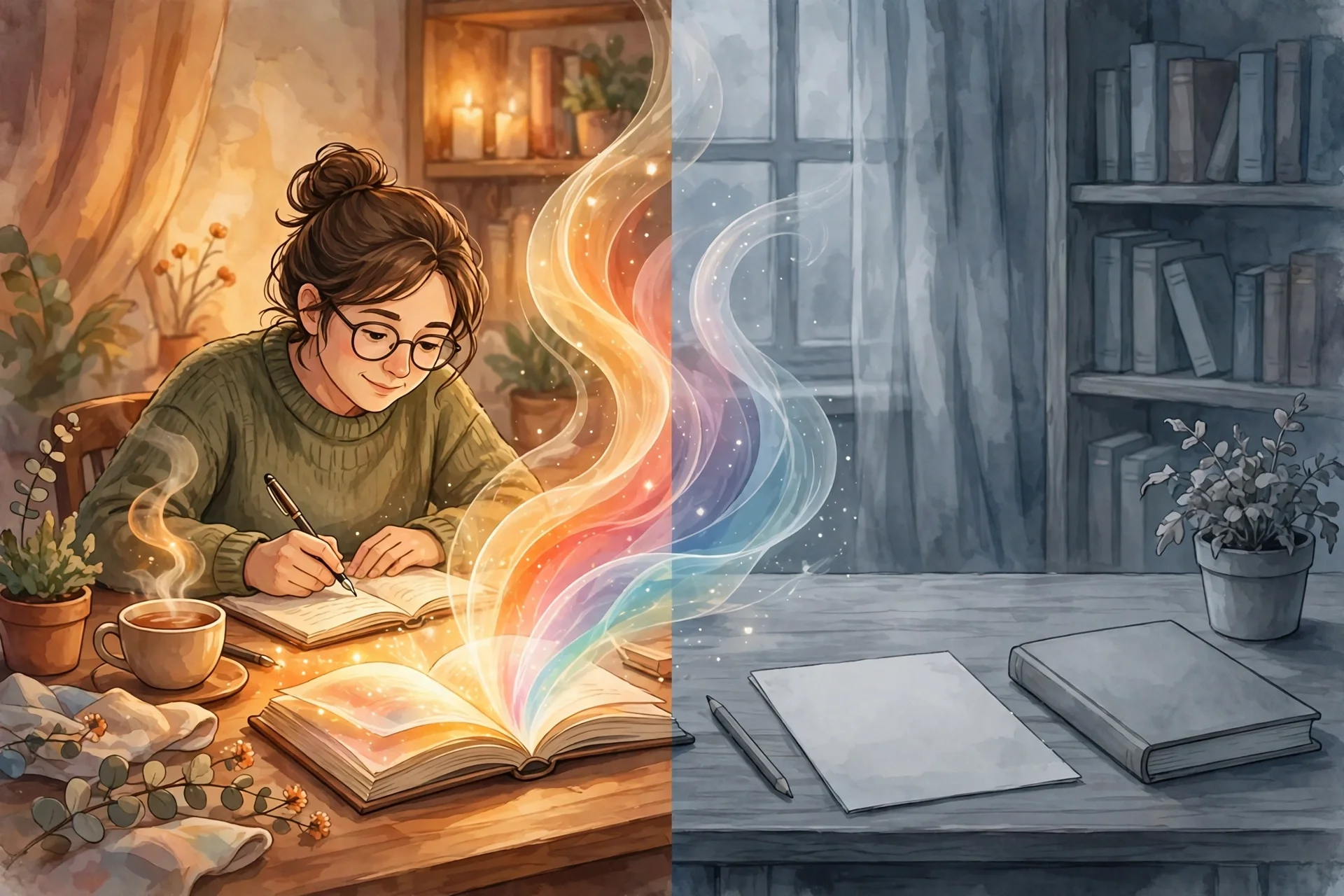
A warm tone and a cold tone are near opposites in literature, and the table below shows how they differ in practice. Most writing sits somewhere between the two, and the best writers move along the scale on purpose.
| Feature | Warm Tone in Literature | Cold Tone in Literature |
|---|---|---|
| Word choice | Gentle, kind, vivid words | Harsh, distant, plain words |
| Sentences | Flowing, varied, musical | Short, clipped, even |
| Attitude to subject | Sympathy and interest | Distance and disregard |
| Reader feeling | Comforted, welcomed, moved | Uneasy, shut out, chilled |
| Example | A letter of praise | A letter of rejection |
A warm tone invites the reader in, while a cold tone holds the reader at arm’s length. Neither is wrong on its own. A love letter needs warmth, and a court judgment needs coldness. The mistake is using one where the other belongs.
Common Mistakes About Tone in Literature
The most common mistake is to confuse tone with mood. Tone is the author’s attitude, mood is the reader’s feeling. A passage can have a sarcastic tone and still leave the reader feeling sad, and that is not a contradiction.
A second mistake is to think tone means the same as style. Style is the whole way a writer writes, including sentence length, vocabulary, and rhythm. Tone is one part of style, the part that carries attitude. Two writers can share a style and still have different tones.
A third mistake is to call a neutral tone no tone at all. A textbook or a news report has a tone too, and it is usually neutral, formal, and distant. Naming that tone is just as useful as naming a playful or angry one.
A fourth mistake is to judge tone from a single word. One harsh word does not make a hostile tone, and one kind word does not make a warm one. Tone is a pattern across the whole passage, so read several sentences before you decide.
Tone in Literature in Real-World Examples
Tone in literature is easy to spot once you know what to look for, and famous books give clear examples. In Jonathan Swift’s “A Modest Proposal”, the tone is satirical and ironic. Swift writes in a calm, reasonable voice while suggesting something shocking, and the gap between the voice and the idea creates the satire.
In Mark Twain’s “A Telephonic Conversation”, the tone is baffled and amused. The narrator hears only one end of a phone call, and his confused, curious words show his attitude toward the strange new invention.
In William Golding’s “Lord of the Flies”, the tone is aloof and distant, which makes the violence of the story feel even colder. In Charlotte Brontë’s “Jane Eyre”, the tone is confessional and thoughtful, as if Jane is speaking straight to the reader. In Nathaniel Hawthorne’s “The Scarlet Letter”, the tone is skeptical, often questioning events as they are described.
How to Spot Tone in Literature When You Read
Spotting tone in literature is a skill, and it starts with the words. Read a passage and underline the adjectives and verbs that carry feeling. Are they warm or cold, kind or cruel, playful or serious? The pattern of those words is the tone.
Next, look at the sentences. Short, sharp sentences often carry urgency or anger, while long, flowing sentences often carry calm or wonder. Then ask what the author leaves out. A writer who skips the sad details may be keeping a light tone on purpose.
Finally, ask yourself how the author seems to feel about the subject. If the author admires the subject, the tone is likely warm or reverent. If the author mocks it, the tone is likely ironic or scornful. If the author seems not to care, you may be looking at indifference or apathy, two of tone’s true opposites.
Tone in Literature in Famous Books
Tone in literature shapes how we remember famous books, often more than plot does. Readers remember the gloomy tone of Poe’s stories long after they forget the details, and they remember the playful tone of Twain long after they forget the jokes.
In Maya Angelou’s “Still I Rise”, the tone is proud and defiant, and that tone carries the poem’s message of strength. In a formal essay, the tone may be measured and polite, which tells the reader that the writer wants to persuade, not to attack.
Teachers often ask students to name the tone of a passage in one word, and that is good practice. Try it with any page of a novel. Choose one adjective, then find three words in the passage that prove it. If you can do that, you have found the tone.
Choosing the Right Antonym for Tone in Literature
Choosing the right antonym for tone in literature depends on which side of tone you want to name. If the writing shows no feeling at all, use indifference or apathy. If it shows a cold, distant feeling, use coldness or detachment. If it shows no rise or fall, use flatness or dullness.
For formal writing, neutrality and objectivity are the honest opposites, since they name a deliberate lack of personal feeling rather than a failure of feeling. For writing that attacks its subject, hostility is the right word, and for writing that is rough and careless, bluntness fits best.
Always check the context before you choose. An antonym that fits a novel may not fit a news report, and a word that fits a poem may sound wrong in an essay. Read the passage, name the attitude, then pick the antonym that matches it.
Tone in Literature: Frequently Asked Questions
What does tone in literature mean?
Tone in literature means the author’s attitude toward the subject of a piece of writing. It shows in word choice, sentence style, and irony, and it is always described with an adjective, such as warm, cold, playful, or angry.
What is the opposite of tone in literature?
Tone has no single exact opposite, because it is an attitude, not a thing. The most useful opposites are indifference, apathy, coldness, flatness, detachment, neutrality, objectivity, bluntness, hostility, and dullness, each naming a different way of writing without a warm or engaged attitude.
How is tone in literature different from mood?
Tone is the author’s attitude toward the subject, while mood is the feeling the work creates in the reader. Tone belongs to the writer, mood belongs to the reader’s experience, and the two can differ in the same passage.
Can tone in literature change inside one book?
Yes, tone can change inside one book. A novel may open with a light, playful tone and turn dark as the story grows serious, and a writer who controls these shifts can guide the reader’s feelings from chapter to chapter.
How do I find the tone in literature in a passage?
Read the passage and look at the words that carry feeling, then look at the sentence shapes and what the author leaves out. Ask how the author seems to feel about the subject, choose one adjective for that attitude, and find three words in the passage that prove it.
Tone in Literature: A Final Word
Tone in literature is the author’s attitude made visible in words, and its antonyms name the attitudes that stand against it. Indifference and apathy show a missing attitude, coldness and detachment show a distant one, and hostility shows an attacking one. Each word helps you read more sharply and write more clearly.
The next time you read a story, a poem, or an essay, pause and name its tone in one word. Then ask which antonym would fit if the author had felt the opposite. That small habit will sharpen your reading, strengthen your writing, and give you a surer sense of how words carry feeling.

I’m Noreen Akbar, an English language researcher and content writer with a passion for words,their meanings, origins, and the subtle differences between them. I specialize in antonyms and vocabulary, creating clear, easy-to-follow guides that help readers expand their word power, sharpen their understanding of language, and express themselves with greater clarity and confidence.